You don’t have to figure out government programs alone, or feel overwhelmed by forms, portals, and office visits.
This guide walks you through how to apply for government benefits in the U.S., with clear steps you can actually follow.
Learn how to apply for government benefits, check eligibility, gather documents, and submit Medicaid, SNAP, and disability applications confidently.
How to apply for government benefits: who qualifies and how to get started
When people say “benefits,” they usually mean help with health coverage, food, income support, or disability and retirement programs.
Some programs are based on income and household size, while others are based on work history, age, or disability status.
Your eligibility can depend on where you live, because many benefits are administered by your state or local agency.
If you’re trying to sign up for government benefits, start by naming the exact need you want to cover first.
That one decision makes the entire process faster and less stressful.
A simple way to check if you may qualify
You don’t need perfect certainty before you apply, but you do need a realistic starting point.
Think in terms of “likely eligible,” “maybe eligible,” or “probably not eligible,” and then confirm with the official application.
If you’re wondering how to qualify for government assistance, focus on your household, income, and current situation changes.
A job loss, reduced hours, new baby, disability, or higher medical costs can change eligibility quickly.
Step-by-step: your first application plan
- Choose the program category you need most, like health coverage, food support, or disability.
- Gather basic household details, including who lives with you and who shares income and expenses.
- Collect proof documents, so you don’t have to pause mid-application and lose momentum.
- Pick the channel that fits you best, online, phone, mail, or in person.
- Submit the government benefits application and save confirmation numbers or screenshots.
- Respond quickly to any requests for verification, interviews, or missing documents.
- Keep copies of everything, because benefits renewals often reuse the same information.
Documents that usually help you move faster
Different programs ask for different items, but most applications overlap more than you’d expect.
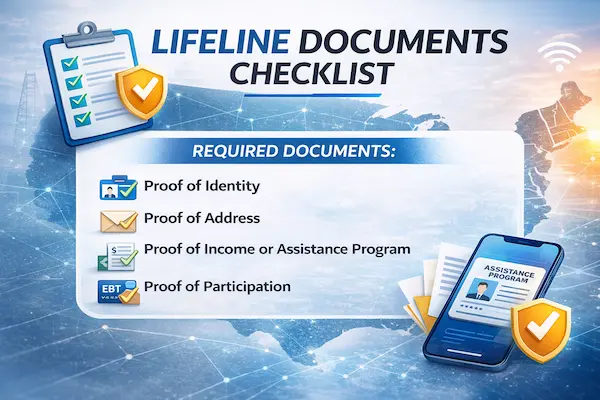
- Photo ID and Social Security number, if you have one.
- Proof of address, like a lease, utility bill, or official letter.
- Income proof, such as pay stubs, benefit letters, or tax documents.
- Household details, including names, dates of birth, and relationships.
- Medical or disability records, when applying for disability-related programs.
If you can’t find a document, apply anyway and ask the agency what substitutes they accept.
Many people delay help because they assume missing paperwork means they must wait, and that’s often not true.
Where to apply for government benefits online without getting lost
Online applications can be the fastest option, as long as you use official pathways and avoid lookalike sites.
For many programs, your state runs the portal, even when the benefit is funded partly by the federal government.
If you are trying to sign up for government assistance, start with a trusted entry point like your state benefits website or an official federal resource.
People often search phrases like apply for government health insurance when they actually mean Medicaid or Marketplace coverage.
Others search apply for government medical insurance or apply for government medical insurance when they’re comparing options after losing employer coverage.
Medicaid and CHIP applications through state agencies
Medicaid is a state-run health coverage program with federal rules, which is why the process looks different depending on your location.
You might see it labeled as a government medicaid application on one website and as a local program name on another.
In many states, the department of human services medicaid application is the same process as what others call a social services medicaid application.
Some counties route you to a department of social services medicaid application page, especially when multiple programs share one intake form.
That’s also why people search social services apply for medicaid when they’re looking for the correct office or portal.
If you’re unsure which agency name applies to you, look for your state’s “benefits” or “health and human services” website and follow the Medicaid link.
SNAP and food assistance applications
SNAP is the modern name for what many people still call the food stamp program.
You’ll see searches like government food stamp program, gov food stamp program, and federal government food stamp program, but the application is typically handled by your state.
Many states let you apply online using the same benefits portal you’d use for Medicaid or cash assistance.
If you need help during the application, local offices and community partners can often guide you without taking control of your account.
Social Security benefits and disability applications
For retirement, SSI, or SSDI, Social Security uses official online services that are separate from most state benefit portals.
Many people type searches like www social security gov applyfor disability when they want the official disability application route.
You may also see people search social security gov applyfor benefits or social security gov apply for benefits when they’re looking for the right starting page.
Use only official Social Security resources and be cautious with third-party sites that offer to “file for you” for a fee.
Apply for government benefits in person or by phone if online isn’t working
Online is convenient, but it’s not your only option, and it’s not always the best option.
If you don’t have stable internet, need language support, or have a complex household situation, phone or in-person help can reduce errors.
Local offices can also help if you need to submit identity documents securely.
When someone says they want to apply for govt assistance, what they often need is a real person to confirm which program fits their situation.
If you prefer face-to-face support, ask your local agency what hours are best for application intake versus document drop-off.
What to say when you call or walk in
Short, clear descriptions get you routed to the right team faster.
- Say which benefit you need, like Medicaid, SNAP, or cash assistance.
- Say what changed recently, like job loss, pregnancy, disability, or a new household member.
- Ask what documents are required and what alternatives they accept.
- Ask how you’ll receive notices, by mail, online portal, or both.
If you’re nervous, bring a simple checklist and take notes during the conversation.
After you apply for government benefits: verification, interviews, and follow-up
Submitting the form is a big step, but it’s usually not the last step.
Many programs require verification, and some require a short interview, often by phone.
You may receive a request for additional documents, and responding quickly can prevent delays.
Keep a folder with your confirmation number, submission date, and copies of anything you uploaded or mailed.
If your portal shows an “incomplete” status, it often means they need one missing item rather than a full restart.
How to handle requests for more documents
Requests can feel stressful, but they’re also normal, and they’re often fixable.
- Read the notice carefully and highlight the exact item they want.
- Submit only what they requested, plus a clear label with your case number.
- Use the approved upload method if the agency provides one, because it’s easier to track.
- Follow up if you don’t see confirmation, especially when deadlines are listed on the notice.
If you missed a deadline, contact the agency anyway, because some situations allow extensions or re-openings.
Common mistakes that slow down a government benefits application
Most delays come from small issues, not because someone “did something wrong” on purpose.
Fixing these patterns early can save you weeks of back-and-forth.
- Leaving sections blank when the form expects “none” or “not applicable” instead.
- Using inconsistent names or addresses across documents.
- Forgetting signatures, especially on mailed or printed forms.
- Uploading unclear photos of documents that can’t be read.
- Missing requests because notices went to spam folders or old mailing addresses.
If you move, update your address everywhere immediately, because notices are how agencies communicate next steps.
How to protect your information while you apply for government benefits
Benefit applications include sensitive personal information, so privacy matters.
Use official sites and official phone numbers whenever possible, and be cautious with “application helpers” who ask for payment.
A good rule is to look for government domains and avoid websites that mimic agency branding.
Never share passwords with anyone, even if they claim they are helping you apply.
If you need help, ask about authorized community partners who can assist without taking control of your account.
Red flags that suggest a scam
Scams often create urgency and try to rush you into giving away information.
- They promise guaranteed approval in exchange for a fee.
- They ask for full login credentials to your benefits portal.
- They pressure you to pay with gift cards, wire transfers, or crypto.
- They claim to be “the government” but use non-official email domains.
If something feels off, stop and verify directly through the agency’s official contact methods.
If you’re denied: what to do next and how appeals usually work
A denial can feel personal, but it’s often based on missing documents, timing, or a specific eligibility rule.
Read the denial notice carefully, because it usually explains the reason and your options.
Many programs allow an appeal or “fair hearing” process, and the notice typically tells you how to request it.
If the issue is missing verification, you may be able to fix it without a full appeal by submitting the requested proof.
Keep your tone calm and factual, and focus on what the agency asked for rather than rewriting your whole story.
Quick checklist to apply for government benefits with confidence
When you feel stuck, come back to the basics and move one step at a time.
- Decide which need is most urgent, health coverage, food, income, or disability support.
- Choose the correct portal or office, even if the agency name varies by state or county.
- Gather ID, address, income, and household documents before you start.
- Submit the application and save your confirmation details immediately.
- Check for notices and respond quickly to verification requests.
- Ask for help from official agencies or trusted community partners if the process is confusing.
- Appeal or correct the file if you believe a decision was based on missing or incorrect information.
Most importantly, remember that asking for help is part of the process, not a sign you’re failing.
Once you’ve completed one application successfully, the next one usually feels far more manageable.
Independent content notice.
This content is independent and informational, and we have no relationship, sponsorship, affiliation, or control over any agencies, institutions, platforms, or third parties mentioned.