Explore government assistance programs for health, education, housing, and financial aid, plus eligibility steps and safe application tips.
Government assistance programs: how to apply and who may qualify
Most government assistance programs are based on income, household size, age, disability status, or specific life events.
Eligibility rules can vary by state, especially for programs administered locally.
If you are looking for federal government financial assistance, start by identifying whether the benefit is federal, state, or a mix of both.
A smart approach is to apply for the most urgent need first, then add other programs once your account is set up.
Step-by-step application path that works for most programs
- List your top needs, like health coverage, food help, housing support, education aid, or utility relief.
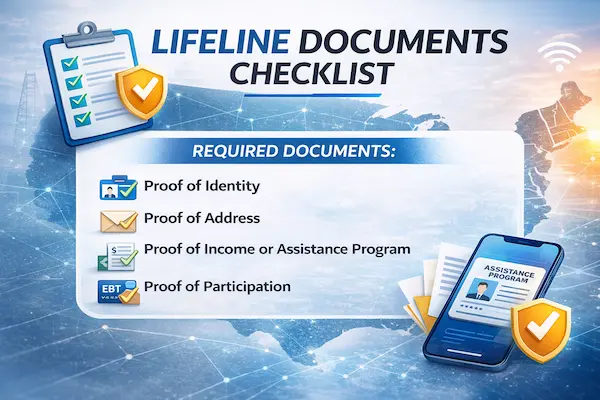
- Gather core documents, including ID, proof of address, and proof of income for everyone in your household.
- Create accounts only on official government portals or your state’s official benefits website.
- Complete the application carefully, and answer every question even if the answer is “none.”
- Upload clear photos or scans, and keep copies of what you submit.
- Watch for verification requests, interviews, or deadlines that arrive by mail or through your portal.
- Save your case number, confirmation page, and submission date for future follow-ups.
Documents that usually speed up approval
- Government-issued photo ID, when available.
- Social Security number or immigration document number, when applicable.
- Pay stubs, employer letters, benefit letters, or recent tax forms.
- Rent or mortgage statements, utility bills, and childcare expense receipts.
- Medical records or disability documentation, when applying based on disability or health needs.
If you are missing a document, you can often apply anyway and submit verification later.
Many delays happen because people wait for “perfect paperwork” instead of starting the process.
Government assistance programs for health coverage and insurance
Health support is often the fastest relief, because coverage can reduce bills and unlock ongoing care.
People frequently search government assistance insurance when they mean Medicaid, CHIP, Medicare support, or subsidized Marketplace plans.
Your best option depends on income, age, disability status, pregnancy, and whether you already have coverage.
Medicaid, CHIP, and local health help
Medicaid is administered by states, so the application process and eligibility details can differ depending on where you live.
CHIP is designed to help eligible children get coverage, and in some states it also covers pregnant people.
If your income changed recently, applying quickly matters, because eligibility can shift month to month.
Medicare support and “government extra help”
Medicare generally serves people age 65+ and some people with qualifying disabilities.
Government extra help is a common way people refer to the Medicare Part D Low-Income Subsidy, which can reduce prescription drug costs for eligible individuals.
If you think you qualify, collect proof of income and resources and follow the official application path for your area.
Marketplace plans and subsidies
If you do not qualify for Medicaid, you may still qualify for premium tax credits and cost-sharing reductions through the Health Insurance Marketplace.
These supports can lower monthly premiums and reduce out-of-pocket costs, depending on your household income.
Always use official channels, because many third-party sites mimic enrollment pages and can be confusing.
Government assistance programs for education and training support
Education benefits can reduce tuition costs, support job training, and help families access services at school.
Some programs are federal, while others are state or local, so your location matters.
When you plan strategically, education aid can also improve long-term financial stability.
College and career aid options to explore
Federal Student Aid is commonly accessed through the FAFSA, which can unlock grants, work-study, and federal loans.
Many states and colleges use FAFSA information to award additional scholarships or institutional aid.
For workforce training, some states use WIOA-funded programs that can help pay for approved training pathways.
Support for students and families in K–12
Public schools provide services for eligible students under special education laws and disability protections.
If you are searching government assistance for adhd, the most practical school-based supports are often an IEP under IDEA or accommodations through a Section 504 plan.
Those supports are not “cash benefits,” but they can meaningfully improve learning access and classroom success.
If you suspect a child needs help, request an evaluation in writing through your school, and keep copies of your communications.
Government assistance programs for financial aid, food, and basic needs
Financial support programs can help stabilize your month-to-month budget while you rebuild momentum.
Many households qualify during transitions like job loss, reduced hours, divorce, disability, or rising medical expenses.
Applying sooner can prevent late fees, shutoff notices, and housing instability.
Food assistance and essential support
SNAP helps eligible households buy groceries, and many states allow you to apply online or in person.
WIC supports eligible pregnant people, postpartum families, and young children with specific nutrition benefits.
School meal programs can provide free or reduced-price meals for eligible students.
Cash assistance and disability benefits
TANF may provide temporary cash help for eligible families, usually with work-related requirements.
SSI and SSDI may support people who meet strict disability criteria, with different rules based on work history and resources.
If you are looking for government help for disabled seniors, consider both Social Security-related options and local aging services that coordinate transportation, meals, or caregiver support.
Help that may exist through your employer
Some agencies and workplaces offer internal programs that employees can access in emergencies.
If you are searching financial assistance for government employees, check your HR or employee assistance program resources, because options vary by employer and location.
These benefits are not always public-facing, so asking directly can uncover support you did not know existed.
Government assistance programs for home repairs, roofs, and energy upgrades
Home repairs are expensive, and many people look for targeted help when safety or weather damage becomes urgent.
Searches like government assistance for roof replacement and government help with roof replacement are common, but the available programs depend heavily on your location and income.
In many communities, help comes through weatherization services, local grants, disaster assistance, or specific rural and housing programs.
Roof repair, replacement, and safety fixes
People often look for government grants for roof repair, but these opportunities are usually limited, location-based, and tied to strict eligibility rules.
If you see marketing for government debt relief grants and roof grants in the same pitch, treat it as a red flag and verify carefully.
When a program is legitimate, it typically comes through a state housing agency, a city or county program, or a federally funded local initiative.
That is why terms like government grants for roof repair and government help with roof replacement can refer to different programs in different places.
New windows and energy efficiency upgrades
Searches for government assistance for new windows often connect to weatherization and energy efficiency programs rather than cash grants.
Programs may prioritize insulation, sealing, HVAC safety, and other improvements that reduce energy costs and improve home health.
Ask your local agency what upgrades are covered, what contractors are approved, and whether you can combine programs.
Practical checklist before you apply for housing repair help
- Confirm the program is run by a government agency or a verified local partner.
- Ask whether assistance is a grant, a loan, or a rebate, because the terms matter.
- Request eligibility requirements in writing, including income limits and homeownership rules.
- Never pay a fee to “unlock” a grant, and avoid anyone who guarantees approval.
Government assistance programs and debt relief: what is real and what is risky
Debt stress can feel urgent, which is why many people search for fast solutions.
Common searches include government help with debt relief and government assistance for debt relief, but true government “payoff” programs for personal credit card debt are rare.
When you see phrases like government debt consolidation grants or government debt relief grants, verify the source carefully, because scammers often use those keywords to sound official.
What “debt government assistance” usually means in real life
In most cases, debt government assistance refers to indirect help that frees up money in your budget rather than paying your debt directly.
That can include help with health coverage, food costs, utilities, rent support, or prescription savings.
By lowering essential expenses, you may have more room to pay down balances safely and consistently.
This is why help for debt from the government is often connected to stabilizing benefits, not a single “debt payoff check.”
Programs that can help with specific debt categories
Student loans are the area where formal government programs to help with debt are most common and structured.
Income-driven repayment and certain forgiveness pathways may reduce monthly payments for eligible borrowers, depending on current rules.
Medical debt relief may be available through hospital charity care policies or nonprofit support, which is not the same as a federal grant but can still be meaningful.
For taxes, the IRS has payment plans, and some taxpayers may qualify for hardship status, depending on circumstances.
About “government relief loans” and what to watch for
Government relief loans can be a real phrase in specific contexts, such as disaster recovery lending, but they are not a universal solution for everyday consumer debt.
If someone offers a “relief loan” and asks for upfront payment, gift cards, or bank login access, treat it as a serious warning sign.
Before sharing personal information, confirm you are on an official website and that the program is clearly described by a government agency.
Special claims you should verify twice
Some advertisements target vulnerable groups with highly specific promises.
Examples include single mom debt relief government grants and government grants to help with debt that claim to eliminate credit card balances overnight.
In general, legitimate assistance programs explain eligibility, funding limits, and the exact benefit type without pressure or secrecy.
The phrase freedom program government assistance is often used in marketing, so treat it as a keyword to investigate, not proof of legitimacy.
Safer steps if you need debt help right now
- Build a bare-bones budget that covers housing, food, transportation, and medications first.
- Apply for benefits that reduce essential costs, because that creates immediate breathing room.
- Contact a reputable nonprofit credit counseling agency for a plan you can understand.
- Ask lenders about hardship options, reduced payments, or fee waivers, and get terms in writing.
- Watch for scams that promise government help to pay off debt with guaranteed approval.
How to keep benefits, renew on time, and avoid common problems
Many programs require renewals, periodic reporting, or updates when your household changes.
If you miss a notice, your benefits can pause even if you still qualify.
Set reminders for recertification dates, and keep your contact information updated in every portal you use.
Quick habits that reduce stress year-round
- Create a simple folder for notices, case numbers, and uploaded documents.
- Take screenshots of submission confirmations and keep them with your records.
- Open mail quickly, because deadlines are usually based on the notice date.
- Report major changes promptly, like a new job, move, household change, or income shift.
If you are denied, read the reason closely, because many denials are caused by missing verification rather than true ineligibility.
You may be able to correct the issue, request reconsideration, or file an appeal depending on the program rules.
Independent content notice.
This content is independent and informational, and we have no relationship, sponsorship, affiliation, or control over any agencies, institutions, platforms, or third parties mentioned.