Learn how to apply for supplemental income with SSI, check eligibility, prepare documents, avoid delays, and appeal decisions safely.
How to apply for supplemental income through SSI
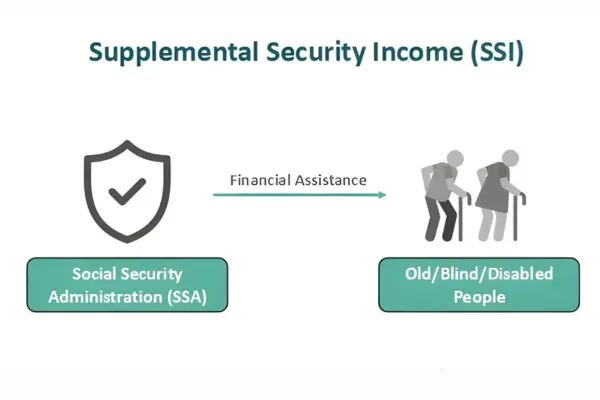
SSI stands for Supplemental Security Income, which is administered by the Social Security Administration.
Many people qualify based on limited income and resources, plus age, disability, or blindness.
The smartest way to start is to apply through official Social Security channels and keep your paperwork organized from day one.
Step-by-step: SSI benefits application
- Decide who the application is for, an adult or a child, because the flow can differ.
- Write down your current address, phone number, and a safe mailing address if you move often.
- Gather basic identity details, including Social Security numbers and immigration documents if applicable.
- Collect income and resource information, including pay, bank accounts, and any other benefits you receive.
- Prepare medical information if applying due to disability, including providers, medications, and treatment dates.
- Start the SSI application through the SSA process, which may involve a phone or in-person appointment.
- Save every confirmation number, letter, and document upload receipt in one folder.
- Respond quickly if SSA asks for more information, because delays often come from missed deadlines.
If you are trying to apply for supplemental income quickly, focus on accuracy first, because clean information prevents weeks of back-and-forth.
Who may qualify for SSI in simple terms
SSI is commonly available for people who are age 65 or older, blind, or disabled, and who also meet financial limits.
Adults and children can be eligible, but disability rules and documentation needs can differ by age group.
Your household situation matters, because SSA can consider certain family income and living arrangements when reviewing eligibility.
If you feel unsure, that is normal, and it is still worth starting the official process to get a clear answer.
What to gather before you apply
Having documents ready can make the application feel calmer and more controlled.
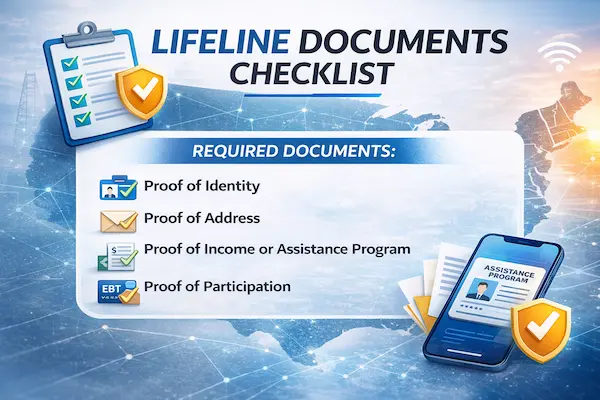
- Proof of identity and Social Security number.
- Proof of address and housing situation.
- Pay stubs, benefit letters, and other proof of income.
- Bank statements and information on resources you own.
- Medical records, clinic contact details, and medication lists, if applying based on disability.
If you do not have everything today, you can still start, then ask SSA what alternatives are acceptable.
SSI benefits explained: what “supplemental income” really means
SSI is not the same as Social Security retirement, and it is not the same as SSDI.
SSI is a needs-based program meant to provide a basic monthly payment for eligible people with limited income and resources.
SSDI is based on work history and payroll taxes, which is why some people qualify for SSDI even if they would not qualify for SSI.
Some households explore SSI because they need stable support while health, disability, or aging changes the ability to work.
When people say “apply for supplemental income,” they often mean SSI specifically, even if they are still learning the terminology.
Why SSA asks detailed financial questions
SSI eligibility is closely tied to your current income and what resources you have access to.
That is why the application can feel personal, especially if you are already under stress.
Answering honestly and completely is the best way to avoid later overpayment issues or unexpected benefit changes.
If you are confused by a question, pause and write it down, because one good clarification can prevent a major mistake.
Where to apply and get help applying for SSI benefits
Many applicants start by looking for the official SSA pathway to apply for SSI.
In practice, applying can involve speaking with SSA and completing steps by phone or at a local office, depending on your situation.
If you prefer in-person support, you can schedule an appointment at your local Social Security office.
If you prefer phone support, you can call SSA and ask for an SSI application appointment.
How to avoid third-party confusion
Be cautious with websites that look official but ask you to pay for “filing services.”
SSI applications are handled through SSA, and you should not need to pay a private company just to submit forms.
If you choose outside help, make sure you still understand what is being filed in your name.
Your application is your responsibility, even when someone else assists you.
What happens after you apply for supplemental income
After you submit, SSA reviews your non-medical eligibility, like income, resources, and living arrangements.
If you are applying based on disability, SSA also evaluates medical eligibility through its disability determination process.
You may be contacted for clarifications, additional documents, or a consultative exam arranged by SSA.
None of this means you did something wrong.
It usually means they need enough evidence to make a defensible decision.
How to reduce delays after filing
Most delays are caused by missing documents, unreachable phone numbers, or incomplete medical provider information.
Keep your contact details updated, especially if you move or change numbers.
Open every letter quickly, because deadlines can be short.
Send requested documents as soon as you can, and keep proof of what you sent.
If you need to check status
Track your case using the official SSA tools that let you check application or appeal status.
If you cannot access online services, you can still call or visit an office for updates.
When you call, have your identifying information ready so they can locate your claim faster.
SSI benefits and appeals: what to do if you are denied
Denials happen for many reasons, including missing evidence or a disagreement about eligibility rules.
A denial is not the end of the road, and many people move forward through the appeals process.
If you disagree with a decision, you can appeal, and there are multiple levels of review.
Deadlines matter, so act quickly once you receive a notice.
How the SSI appeals path usually works
Appeals commonly move through reconsideration and then a hearing, if needed.
After that, cases can move to the Appeals Council and, in some situations, federal court.
You do not always need to go through every level, but you should follow the instructions in your notice carefully.
If you want to keep stress lower, treat the appeal like a project with a checklist and a timeline.
When it makes sense to consider a lawyer or advocate
Many people want support and begin searching for an SSI lawyer when paperwork feels overwhelming.
Others look for an SSI attorney when they receive a denial and want help building stronger evidence.
You may also see people search for a social security appeal lawyer when the next step is a hearing.
In conversation, people may say SSI lawyers, but what they really want is someone who understands the system and can explain it clearly.
Some applicants prefer non-attorney help and look for SSI advocates near me through local organizations or referral networks.
Search phrases you might see when you look for representation
- social security lawyers near me
- ssi lawyers near me
- social security attorney near me
- ssi attorney near me
- ssa attorney near me
- social security lawyers in my area
- social security attorneys in my area
- best ssi lawyers near me
If you are comparing options, focus on experience with SSI and clear communication, not just marketing language.
More phrases people use, especially for disability-focused cases
- social security disability lawyers near me
- best social security disability lawyers near me
- social security benefits lawyer
- social security income lawyers
- social security income attorney
- supplemental security income lawyer
- supplemental security income attorney
- supplemental security income lawyers near me
If you are looking at “best social security lawyers near me,” try to find someone who explains fees, timelines, and responsibilities in plain language.
How to choose safe help without losing control of your information
When you are under pressure, it is easy to trust the first person who sounds confident.
That is why it helps to use a simple safety filter before sharing personal information.
Never share your SSA online account password with anyone.
Never pay someone who promises “guaranteed approval,” because no one can promise an outcome.
Ask exactly what the helper will do, what you will do, and how documents will be stored and transmitted.
Questions that protect you before you sign anything
- Will you give me copies of everything you submit.
- How will you communicate with me about deadlines and notices.
- What is your experience with SSI benefits and appeals.
- How are fees handled, and what costs might I still be responsible for.
If the answers feel evasive, slow down and verify other options.
Apply for supplemental income with less stress: practical habits that work
SSI is a system, and systems become easier when you build a repeatable routine.
A small weekly check-in can prevent big surprises later.
Keep a single folder for letters, medical records, and proof of what you submitted.
Write down every phone call date, who you spoke with, and what they told you.
If you send documents, keep a copy and note how you sent them.
Common mistakes that slow SSI claims
- Not listing all medical providers and treatment dates.
- Leaving questions blank instead of writing “none” when appropriate.
- Missing a consultative exam appointment without rescheduling.
- Failing to update contact information after moving.
- Ignoring mail because it feels stressful to open.
If you catch a mistake, address it quickly rather than hoping it resolves on its own.
SSI benefits checklist you can use today
If you want a simple plan, use this checklist to stay grounded.
- Decide whether you are applying due to age, disability, or blindness.
- Gather identity, address, income, resource, and medical information.
- Start the SSI application through official SSA channels and save confirmations.
- Answer follow-up requests quickly and keep proof of what you provided.
- If denied, read the notice carefully and file an appeal before the deadline.
- If you want representation, compare options and look for clear communication and experience.
- Keep your records organized through approval, payments, and any future reviews.
You do not have to understand everything on day one to apply for supplemental income successfully.
You just need one safe next step, and then another.
Independent content notice.
This content is independent and informational, and we have no relationship, sponsorship, affiliation, or control over any agencies, institutions, platforms, or third parties mentioned.