If your power bill feels like it’s getting bigger while your paycheck stays the same, you are not alone.
LIHEAP energy assistance can reduce that pressure and help you keep the lights on without guessing what to do next.
Free electricity for low income: who qualifies and how to apply for LIHEAP
When people search for free electricity for low income, they are usually looking for real bill relief that shows up fast.
LIHEAP is a federally funded program that states run locally, and it can help pay part of your home energy costs.
In many cases, the help comes as a payment or credit sent to your utility company, not as “free power” forever.
That still matters, because lowering a bill can prevent shutoffs and give you breathing room for rent, food, and gas.
Who can qualify for LIHEAP energy assistance
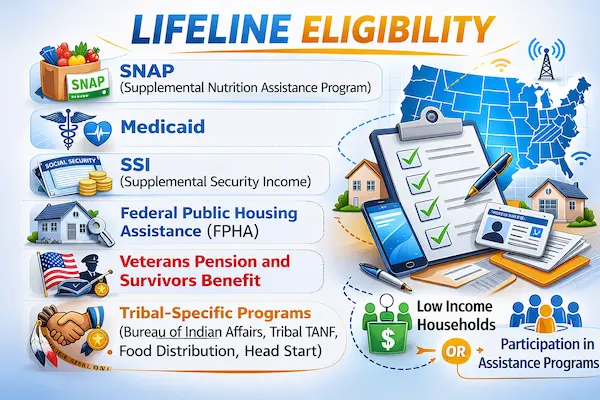
Eligibility is based mainly on household income, household size, and your state’s rules for the program.
Many states prioritize households with children, seniors, and people with disabilities when funds are limited.
If you are searching electric for low income families, LIHEAP is one of the most common starting points to check.
You can often apply even if you rent, as long as you are responsible for paying energy costs in some way.
If your utilities are included in rent, you may still qualify in certain situations, depending on how your state calculates it.
How to apply for LIHEAP step by step
- Find your local LIHEAP office by searching your state plus “LIHEAP” or “community action agency.”
- Ask which application method is available, like online, mail, drop-off, phone, or in-person appointment.
- Complete the form with your full household list, income sources, and utility account information.
- Attach the documents they request, because missing proof is the top cause of slow approvals.
- Submit the application and write down your confirmation number, receipt, or the date you turned it in.
- Respond quickly if the office asks for corrections, additional pages, or updated income proof.
If you are dealing with a shutoff notice, ask specifically about crisis assistance or emergency processing.
Emergency heating assistance is often handled differently than regular seasonal applications, so say “crisis” clearly.
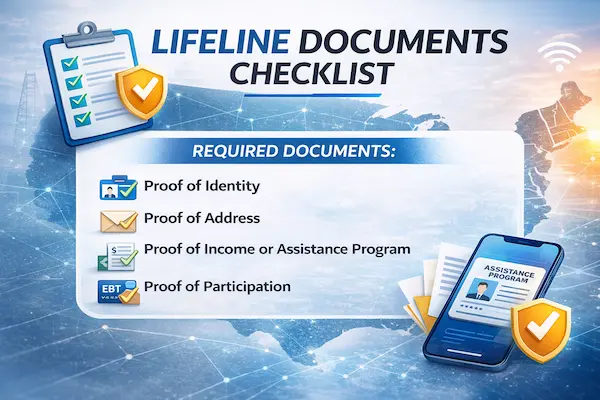
Documents you should gather before you apply
Most offices ask for proof of identity, proof of address, proof of income, and a recent utility bill.
Bring pay stubs, benefit award letters, unemployment paperwork, or a simple statement for irregular income.
Bring your utility account number, because it helps the agency apply the benefit to the right place.
If you have a shutoff notice, bring it, because it can support a faster review in many areas.
LIHEAP energy assistance and low income electricity: what “bill help” really looks like
LIHEAP usually helps with heating costs in winter and may help with cooling costs in summer, depending on your state.
That means your low income electricity bill might drop through a credit, a payment, or a prevention of disconnection.
Some households also receive help for natural gas, propane, fuel oil, wood, or other home energy sources.
The exact benefit amount varies by state and by your household situation, so it is important not to rely on rumors.
If you see promises of guaranteed free electricity for low income with no application, treat that as a red flag.
Legitimate assistance programs require an application and verification, even when the process is simple.
Utility programs can stack with LIHEAP in many places
Many utility companies offer separate discounts, payment plans, or arrears forgiveness for customers who qualify.
That is why people search low income electric company or low income light companies when bills feel impossible.
In plain terms, the “electric company” may have its own low-income plan, while LIHEAP provides additional assistance.
Ask your utility about budget billing, medical certificates, or special protections if you have health equipment at home.
Combining resources is often the difference between catching up and falling behind again next month.
Ameren energy assistance, Ameren low income assistance, and LIHEAP searches
If you live in an area served by Ameren, you may see people talk about Ameren energy assistance online.
In those areas, LIHEAP support may be applied to an Ameren account, but LIHEAP is still administered through local agencies.
If you typed “amer en liheap” into Google, you were probably trying to find the right place to apply quickly.
The best move is to apply through your local LIHEAP office and also check Ameren’s official customer assistance options.
Use the same approach for any utility, because the program name changes but the strategy stays the same.
This content is independent and does not represent, control, or manage Ameren or any other utility provider.
Spectrum LIHEAP and other common mix-ups you can avoid
Some people search “spectrum liheap” because they want help with every bill, not only electricity.
LIHEAP is for home energy costs, while internet or cable programs are usually separate and have different eligibility rules.
If you need broadband help, look for official affordability programs or local nonprofit resources in your county.
Keeping your searches organized saves time, because you apply to the right place instead of starting over repeatedly.
This content is independent and has no affiliation with Spectrum or any telecommunications provider.
Heating and cooling assistance: support in winter and summer
Heating and cooling assistance matters because extreme temperatures can be dangerous, especially for kids and older adults.
In winter, LIHEAP often focuses on heating bills and crisis help when heat is threatened.
In summer, some states offer cooling assistance or an electric benefit designed to reduce heat risk.
If you are searching air conditioner programs for low income families, start with LIHEAP and also ask about local weatherization services.
Some areas provide fans, minor cooling support, or referrals to partners, but availability depends on local funding.
If your home is unsafe during heat waves, ask your local office about emergency options and community cooling centers.
Local examples people search, like Worcester heating assistance
You might see searches like Worcester heating assistance because many cities have local agencies that process LIHEAP applications.
The same is true for searches like tri county liheap, which often points to a regional community action program.
Even if your area uses a different office name, the path is usually the same: local agency intake, document review, and benefit applied.
When in doubt, call 2-1-1 in your state and ask for the LIHEAP intake location closest to your ZIP code.
LIHEAP furnace replacement and furnace help for low income: what’s realistic
Many families need more than bill help, because the real problem is an old furnace that breaks every season.
That is why you’ll see searches like LIHEAP furnace replacement and furnace replacement for low income.
In some states, LIHEAP-related crisis programs or partnered weatherization services can help with heating system repair or replacement.
In other states, LIHEAP may focus mostly on bill assistance, while equipment replacement happens through separate weatherization programs.
So the honest answer is this: furnace help for low income can be possible, but it depends on your local program design.
How to ask for furnace help the right way
Start by describing your situation clearly, because offices categorize requests based on safety and urgency.
- Tell the agency if your furnace is not working, unsafe, or causing your home to be without heat.
- Ask whether your case qualifies for crisis assistance, repair programs, or weatherization referrals.
- Request a list of documents they need, like a shutoff notice, landlord letter, or repair estimate.
- Follow up in writing if possible, so the office can attach notes to your file.
If you’re a renter, involve your landlord early, because heating equipment responsibilities often fall under habitability rules.
If you are searching help with furnace low income, also ask local nonprofits and faith-based groups about emergency repair funds.
Using multiple channels is not “cheating,” because assistance networks are designed to work together during crises.
How to check LIHEAP status without losing your place in line
After you apply, it is normal to feel anxious and wonder whether your paperwork disappeared.
That is why people search LIHEAP status, check LIHEAP status, and check status of LIHEAP so often.
The fastest method depends on your state, because some offices use online portals while others use phone or email updates.
Simple ways to track your application
- Save your submission receipt, confirmation number, or the date you dropped off your application.
- Call the local office and ask for a status update using your name, address, and application date.
- Check your mail carefully, because many agencies send requests for missing documents by letter.
- If your state has an online benefits portal, log in weekly and review your notices and tasks.
If an office requests a missing document, submit it quickly, because your case may pause until it arrives.
If you changed phone numbers or moved, update the agency immediately so you do not miss a deadline.
Extra ways to lower bills while you wait for help
Waiting for approval can feel long, so it helps to do a few small actions that reduce costs right away.
Switching to LED bulbs can lower usage, and many communities offer low cost or free low income lights through local programs.
Ask your utility about a home energy audit, because some companies provide efficiency kits or rebates for qualifying customers.
Use draft stoppers, window film, and safe thermostat settings to avoid the “money leak” that happens in older homes.
If you have medical or special needs, ask about protections against disconnection while assistance is being processed.
These steps do not replace LIHEAP, but they can keep you stable until the credit or payment posts.
FAQ: free electricity for low income and LIHEAP energy assistance
Does LIHEAP provide totally free electricity for low income households?
LIHEAP typically provides financial assistance toward your bill, which can feel like free electricity when it covers a large portion.
Can I apply if I’m working?
Yes, many working households still qualify if income is low enough under state rules.
Can LIHEAP stop a shutoff?
In many areas, crisis or emergency processes can help prevent disconnection, but you must apply and communicate quickly.
What if I need both heat and electric help?
Ask your agency how they define your main heating source and whether electric benefits are available in your season.
What should I do if I’m denied?
Ask for the reason in writing and ask whether you can submit missing proof or request a review.
Final reminder and independence notice
You do not have to figure this out alone, even if it feels overwhelming right now.
Start with LIHEAP, check your utility’s low-income options, and follow up until you get a clear answer.
Notice: This content is independent and has no affiliation, sponsorship, or control by the entities mentioned.