If you’re shopping for Medicare, the hardest part is rarely the decision to get coverage.
The hardest part is getting Medicare quotes you can trust, without feeling pressured, confused, or rushed.
Medicare quotes: how to get accurate prices and apply
Start by identifying what kind of Medicare coverage you actually want a quote for.
“Medicare” can mean Original Medicare, a Medicare Advantage health insurance plan, a Medigap policy, and a Part D drug plan.
Accurate Medicare quotes depend on matching the quote to the correct product type, your ZIP code, and your enrollment timing.
Step-by-step: get Medicare quotes that match your situation
- Confirm whether you have Original Medicare (Part A and Part B) or you are still enrolling for the first time.
- Write down your ZIP code, your effective date goal, and whether you receive any extra help programs.
- List your doctors, preferred hospitals, and the prescriptions you take, including dosage and frequency.
- Decide whether you want the simplicity of a Medicare Advantage plan or the flexibility of Original Medicare plus Medigap.
- Request quotes from at least two sources, and make sure each quote uses the same effective date and ZIP code.
- Compare total yearly cost, not just monthly premium, including deductibles, copays, coinsurance, and drug tiers.
- Verify provider networks and formularies directly, because marketing summaries can be incomplete.
If a quote can’t clearly explain what is included, treat it as incomplete and ask for the Summary of Benefits or plan documents.
Notice: this content is independent and has no affiliation, sponsorship, or control by the entities mentioned.

What Medicare quotes can include: Advantage, Medigap, and Part D
When someone says they want “quotes,” they may be asking for different types of monthly premiums and out-of-pocket structures.
Knowing which bucket you’re in makes the shopping process faster and a lot less stressful.
Medicare Advantage quotes
Medicare Advantage plans are offered by private insurers and replace how you receive Part A and Part B benefits.
Most plans also include Part D drug coverage, but not all of them do.
You’ll often see plan types like HMO or PPO, which is why searches like “uhc ppo” show up when people compare networks.
A PPO can allow more flexibility for out-of-network care, but the cost-sharing rules still matter.
Always check whether your doctors are in-network, because a low premium is less helpful if you can’t use your providers.
Medigap quotes
Medigap, also called Medicare Supplement Insurance, works with Original Medicare to help cover certain out-of-pocket costs.
Medigap quotes can vary by age, location, tobacco status, and the pricing method used in your state.
Medigap usually does not include prescription drug coverage, so many people pair it with a standalone Part D plan.
Part D drug plan quotes
Part D quotes are heavily influenced by your medication list, pharmacy choice, and the plan’s formulary and tiers.
A plan with a low premium can still cost more overall if your drugs fall into higher tiers or require prior authorization.
When comparing, focus on your estimated annual drug cost, not only the monthly premium.
Medicare quotes: what changes your price and your options
It can feel unfair when two people get different prices for what sounds like “the same plan,” but Medicare pricing is very location and situation dependent.
Understanding the common drivers helps you spot whether a quote is realistic.
Your ZIP code and service area
Medicare Advantage and Part D plans are approved for specific service areas, so your ZIP code can change the menu of plans completely.
Even within the same state, counties can have different plan availability, networks, and costs.
Your enrollment timing
Enrollment periods affect whether you can join, switch, or drop certain plans.
For example, initial enrollment and annual enrollment windows determine when many people can make changes.
Medigap also has important timing rules, and missing certain windows can lead to medical underwriting in many situations.
Your health usage and “total cost” profile
If you visit specialists frequently, use expensive medications, or expect procedures, a quote should be evaluated through a total yearly cost lens.
That includes deductibles, copays, coinsurance, maximum out-of-pocket limits, and drug coverage rules.
Your eligibility for additional programs
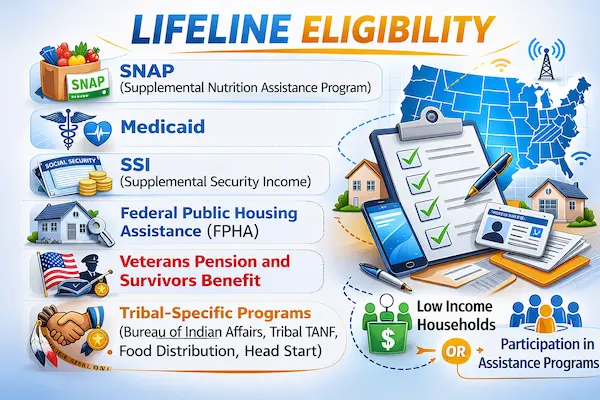
Some people qualify for programs that lower premiums and cost-sharing, depending on income and resources.
Dual-eligible coverage is one reason searches like “uhc dual complete” and “dual complete uhc” appear, because those plan lines may be designed for people who have both Medicare and Medicaid.
Eligibility for dual-focused plans can be strict, so the quote only matters if you actually meet the program requirements.
Medicare brokers and Medicare advisors: how to get help without pressure
If you’ve felt overwhelmed, working with Medicare brokers or Medicare advisors can make the comparison process easier.
A good professional will explain tradeoffs clearly and help you match coverage to your doctors, medications, and budget.
You’ll also see the term Medicare Advantage advisors when people want plan navigation specifically for Advantage options.
How to vet help before you share personal details
- Ask whether the person is licensed in your state and what carriers they represent.
- Ask how they are compensated, and whether you pay any additional fee for help.
- Ask for a comparison that includes more than one plan, not a single “best” option immediately.
- Ask for plan documents, not only a marketing summary or a verbal promise.
If someone pressures you to enroll immediately without answering questions, that is a sign to slow down and verify.
This article does not provide legal, financial, or medical advice, and you should confirm final details with official plan materials or licensed professionals.
How to read plan listings and why you might see codes in Medicare quotes
While shopping, you may see letters and numbers that look random, but they often have a purpose.
In Medicare plan listings, these codes can reference contract identifiers and plan benefit package information.
That’s why you might notice strings like h5521 170 or h4527 015 when browsing a plan directory or quote output.
You may also see codes such as h0251 002, h0432 009, h0432 003, and h0543, depending on the listing format.
Some lists include entries like h8768 and h8768 010, which can appear as plan identifiers in certain directories.
You may also spot h5253, h5253 024, and h5253 103 grouped together when multiple benefit packages sit under a contract family.
Other examples that sometimes appear in plan references include h5216 231, h3916 037, h6815 038, h4868 019, and h3959 052.
For prescription drug plans, you might see codes that start with different letters, like s5601 006, s5601 030, s5601 044, s5601 064, and s5601 028.
You might also encounter r6801 012 and r3444 008, and even combinations like h0628 013, h1045 034, and h1045 026.
Listings can also include h5322 028, s4802 013, h2001 817, and h2001 837, depending on the market and year.
These codes are useful for reference, but they do not replace reading the actual benefits, network rules, and drug coverage details.
Common places people look for Medicare quotes online
Some shoppers compare options using well-known marketplaces and information sites, which is why you may see searches like ehealth medicare plans.
Others search brand or community phrases like hellomedicare or aarpmedicareplans when looking for educational tools or comparisons.
Those platforms may be helpful starting points, but you should still verify details with official plan documents and your providers.
Notice: this content is independent and has no affiliation, sponsorship, or control by the entities mentioned.
Smart comparison: how to evaluate Medicare quotes like a pro
The best Medicare choice is rarely the one with the lowest premium on day one.
The best choice is the plan that you can actually use, at a cost you can predict, with rules you understand.
Compare these five items every time
- Monthly premium and what it covers.
- Deductibles and typical copays for your most common care.
- Maximum out-of-pocket protection for Medicare Advantage plans.
- Provider network access, including specialists and hospitals you trust.
- Prescription drug coverage details, including tiers, restrictions, and pharmacy pricing.
If two plans look “similar,” the network and drug formulary are often where the real differences hide.
When in doubt, call your doctor’s office and confirm whether they accept the plan name and network type you’re considering.
Enrollment mistakes that can turn “good quotes” into expensive surprises
Many people do the hard work of comparing, then trip on a small technical detail during enrollment.
A few simple checks can protect you from headaches later.
Watch your enrollment periods
Medicare has specific enrollment windows, and missing them can limit your options until the next eligible period.
If you are switching plans, confirm your effective date and whether your prescriptions are covered starting day one.
Be careful with dual-eligible plan assumptions
Plans marketed for dual eligibility, like those sometimes searched under “uhc dual complete,” may require active Medicaid status and ongoing eligibility.
If your Medicaid status changes, your plan eligibility and cost-sharing can change too.
Always confirm eligibility rules with the plan and your state program before enrolling.
Don’t ignore drug coverage details
Even a small change in formulary coverage can significantly impact your annual cost.
If you take brand-name medications, verify tier placement and whether step therapy or prior authorization applies.
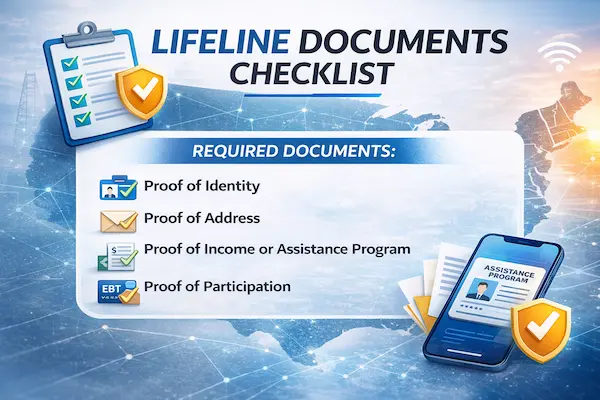
Quick checklist: what to gather before requesting Medicare quotes
This checklist makes quote comparisons faster and more accurate.
- Your Medicare number and Part A and Part B effective dates, if you already have them.
- Your ZIP code and county, because plan availability is geographic.
- A list of prescriptions with dosage and preferred pharmacy locations.
- A list of doctors and hospitals you want to keep using.
- Your preferred tradeoff, like lower premium versus lower copays, or network flexibility versus simplicity.
If you want extra support, Medicare brokers or Medicare advisors can help you apply the checklist and narrow choices responsibly.
If you prefer to self-serve, keep plan documents open while comparing, and take screenshots of what you confirm.
Final thoughts on Medicare quotes
Getting Medicare quotes should feel empowering, not exhausting.
When you compare plans with the same inputs, verify providers and prescriptions, and read the real benefits, clarity shows up fast.
Your goal is not to find a “perfect” plan, but to find a plan you understand and can afford with confidence.
Notice: This content is independent and has no affiliation, sponsorship, or control by the entities mentioned.