Federal aid programs: loans, PLUS & consolidation
Advertisements
College costs can feel like a moving target, especially when deadlines and loan options stack up fast.
This guide breaks down federal aid programs and the most searched loan paths in clear, practical steps.
Federal aid programs: who qualifies and how to apply (FAFSA)
For most students and families, the doorway into federal aid programs is the FAFSA.
FAFSA stands for the Free Application for Federal Student Aid, and it helps schools determine aid eligibility.
You should submit it as early as you can each year, because some aid is limited and timing matters.
Who usually qualifies for federal aid programs
Eligibility depends on factors like citizenship or eligible noncitizen status, enrollment in an eligible program, and other federal requirements.
Some aid is need-based, and some aid is available even without financial need.
Graduate students are typically considered independent for FAFSA purposes, which changes what information is included.
If you are searching “fafsa for masters degree,” the short answer is yes, many master’s students still complete FAFSA to access federal loans and work-study.
How to apply step by step
- Create your account on the Federal Student Aid site and keep your login secure.
- Gather tax information, income details, and basic household information before you start.
- Complete the FAFSA carefully, because small mistakes can delay your aid package.
- Add the schools you are considering so they can receive your FAFSA information.
- Review your confirmation details and watch for follow-up requests from your school.
- Accept or decline offered aid in your school portal after your award letter is available.
If you feel stuck, your school’s financial aid office is usually the fastest place to get answers that match your situation.
What “best student loan programs” really means in practice
When people search “best student loan programs,” they usually want the safest cost and the least stress later.
In many cases, federal loans are the first option to compare because they can offer protections like fixed rates and income-driven repayment options.
That does not mean federal is always perfect for everyone, but it is often the baseline for smart comparison.
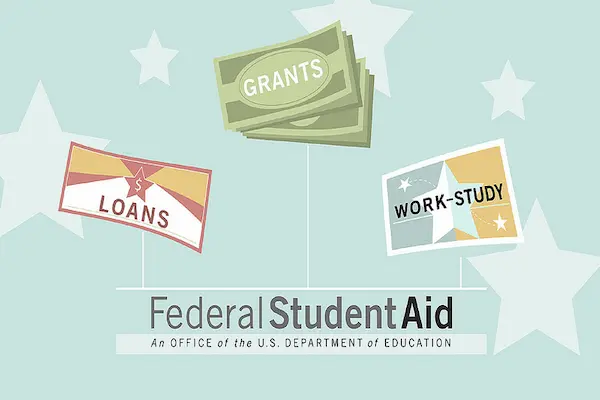
It also helps to remember that scholarships, grants, and work opportunities can reduce how much you need to borrow in the first place.
A simple order for comparing options
- Start with grants and scholarships you do not repay.
- Then review federal student loans offered through your aid package.
- Then evaluate university loans if your school offers institutional lending.
- Only then compare private options if there is still a gap.
This approach helps you avoid choosing a private educational loan too early when federal aid might cover more than you expect.
Understanding the “Ford student loan” and federal Direct Loans
You may see the phrase “ford student loan” because the federal Direct Loan system is officially called the William D. Ford Federal Direct Loan Program.
In simple terms, this program includes common federal student loans where borrowers borrow directly from the U.S. Department of Education.
It can include Direct Subsidized Loans, Direct Unsubsidized Loans, and Direct PLUS loans, depending on eligibility and student level.
Knowing this name helps when you are reading official letters, promissory notes, or loan details in your account.
Federal student loan consolidation and student aid consolidation explained
Consolidation can sound like a magic trick, but it is really a tradeoff.
Federal student loan consolidation combines eligible federal loans into one new loan, typically a Direct Consolidation Loan.
You may also see it called federal student aid consolidation or student aid consolidation in general searches.
Some people even type federal student aid loan consolidation, but the goal is the same: one loan, one payment, one servicer.
Reasons people choose federal student loan consolidation
- To simplify multiple monthly payments into one.
- To make some older loan types eligible for certain repayment or forgiveness programs.
- To move loans under one servicer for easier tracking.
However, consolidation can also reset progress on certain benefits, and it may change how interest and repayment are calculated.
That is why you should review your situation carefully before you submit a consolidation application.
How federal student aid consolidation usually works
- Confirm which loans you have and whether they are eligible to be consolidated.
- Review whether you are pursuing forgiveness, because timing and program rules can matter.
- Use the official consolidation application process and choose the loans you want to include.
- Select a repayment plan that fits your goals and budget.
- Continue making payments until your consolidation is finalized to avoid delinquency.
If you are unsure, you can compare scenarios using official calculators and your servicer’s guidance.

Perkins loan consolidation for older borrowers
If you borrowed years ago, you may have a Federal Perkins Loan, even though the Perkins program ended for new lending in 2017.
That is why “perkins loan consolidation” remains a common search term.
In many cases, borrowers consolidate Perkins loans to make them compatible with certain federal repayment tools or to simplify repayment.
But Perkins loans can have their own benefits, and consolidating can change what you are eligible for.
If you have a Perkins loan, review the pros and cons carefully before you combine it with other loans.
Parent PLUS and Direct Parent PLUS: what families should know
Parent PLUS loans are federal loans that parents of dependent undergraduate students can use to help cover education costs.
People often search “direct parent plus” because the official loan type is a Direct PLUS Loan made to a parent borrower.
You might also see searches like “parent plus loan federal student aid” or “student aid parent plus loan” because families are trying to confirm it is an official federal option.
A helpful way to remember it is this: Parent PLUS is connected to Federal Student Aid, not to private banks.
If you see the phrase “fsa parent plus loan,” it usually refers to managing the Parent PLUS loan through official Federal Student Aid systems and servicers.
What Parent PLUS can be used for
Parent PLUS can help cover costs up to the school’s cost of attendance, minus other aid received.
That can include tuition, fees, housing, meals, books, supplies, and other eligible education expenses defined by the school.
It is still debt in the parent’s name, which is an important reality to face before you sign.
“Discover Parent PLUS loan” and similar searches
If you searched “discover parent plus loan,” you are not the only one, but the terms get mixed online.
Discover is known for private lending products, while Parent PLUS is a federal loan category.
So a private lender would not issue a Parent PLUS loan, even if a private loan is sometimes used for similar purposes.
Parent PLUS loan consolidation and Parent PLUS loan PSLF basics
Parent PLUS can be more limited in repayment plan access compared to student federal loans.
That is why “parent plus loan consolidation” is a frequent search, especially for families pursuing manageable payments.
People also search “parent plus loan pslf” because they want to know if public service forgiveness is possible.
In general terms, Parent PLUS loans may become eligible for PSLF only after being consolidated into a Direct Consolidation Loan and repaid under qualifying conditions.
Repayment plan eligibility rules can change over time, so you should confirm the current requirements using official resources before making a decision.
A careful step-by-step approach for Parent PLUS borrowers
- Confirm your employer qualifies for public service if PSLF is your goal.
- Confirm your existing loan type is Parent PLUS and not a private loan.
- Learn which repayment plans are allowed for Parent PLUS, and what changes after consolidation.
- If you consolidate, make sure your repayment plan choice aligns with your forgiveness strategy.
- Track your payments and documentation carefully, because records matter for forgiveness programs.
If PSLF is not your goal, consolidation may still help simplify payments, but it is not the only route.
Private educational loan and private loans for undergraduate students
Sometimes federal aid does not cover the full cost, and that is where private options enter the conversation.
Searches like “private educational loan” and “private loans for undergraduate students” are common when families see a remaining balance.
Private student loans are credit-based, and the cost can vary widely based on credit, income, and whether you have a co-signer.
Private loans also may not offer the same federal protections, so the comparison needs to be very intentional.
What to compare before signing a private loan
- Interest rate type, because fixed versus variable can change your future payment risk.
- Fees, because origination or late fees can add cost quietly.
- Repayment options in school and after graduation.
- Hardship options, because forbearance and deferment rules differ by lender.
- Co-signer release rules if you plan to remove a co-signer later.
If you are seeking private student loans assistance, start with your school’s financial aid office, because they can confirm your remaining need and timing.
Be cautious of any website promising instant approval without real verification, because scams target stressed families.
University loans and loans for summer classes
Some schools offer university loans, which are institutional loan programs with terms set by the school.
These can be helpful in certain situations, but they still require you to read terms closely.
Summer can also create surprise costs, which is why “loans for summer classes” is a recurring search.
Some schools treat summer as a separate term, which can require a separate summer aid request even if you already completed FAFSA.
Summer loan eligibility can depend on enrollment level and your remaining annual loan limits, so it is important to ask your school early.
Fast checklist for summer planning
- Ask your school whether a summer financial aid application is required in addition to FAFSA.
- Confirm how many credits you need for your chosen loan type to apply.
- Check whether your annual loan limit has already been used during fall and spring.
- Ask when summer disbursements happen so you can plan for bills and deadlines.
This is one of those moments where a ten-minute call can save weeks of stress later.
Work-study masters programs and smart ways to reduce borrowing
Graduate students often search “work study masters programs” because they want income without taking on more debt.
Federal Work-Study can be available to graduate students with financial need, depending on the school and available funding.
Work-study jobs are usually part-time and designed to fit around your course schedule.
Even a modest work-study award can reduce how much you borrow and lower your future monthly payments.
If work-study is not available, ask about teaching assistantships, research assistantships, or departmental roles that include tuition support.
Student aid consolidation reminders and scam-proof tips
Consolidation can be a legitimate tool, but it is also a topic scammers love because it sounds urgent.
Any promise of “instant forgiveness” or “guaranteed approval” should make you pause and verify before you pay anyone.
Official federal processes typically do not require you to pay a third party to submit forms for you.
Quick ways to protect yourself
- Only share sensitive information through official portals or your known loan servicer.
- Do not trust cold calls that demand immediate payment for “processing.”
- Save copies of every form, confirmation, and message you submit.
- Use your official account dashboard to verify any change in loan status.
If you want help, a reputable school financial aid office or nonprofit credit counselor is often a safer first step than a random online service.
Final next steps to choose the right path
Start by clarifying what you actually need, because the right solution depends on whether the problem is tuition, timing, or repayment stress.
If you are a student, begin with FAFSA and your aid package, then compare federal options before jumping to private loans.
If you are a parent, confirm whether Parent PLUS truly fits your household budget and long-term plans.
If you already borrowed, explore whether federal student loan consolidation supports your goals without creating unintended setbacks.
Most importantly, keep your decisions slow and intentional, because a calm choice today can protect your future self for years.
Notice: This content is independent and has no affiliation, sponsorship, or control by the entities mentioned.