How to apply and get medical insurance – Medicaid
Advertisements
Learn how to get medical insurance through Medicaid, compare Marketplace options, choose plans, and track your application safely.
How to apply and get medical insurance with Medicaid
Medicaid is a public health coverage program that helps eligible people pay for medical care.
It is funded by the federal government and managed by each state, so rules and portals can look different depending on where you live.
If your income dropped, your hours were cut, you’re pregnant, you have a disability, or you’re caring for children, Medicaid may be worth checking right away.
Even if you are unsure, it is often smart to start an application, because the screening questions can clarify eligibility fast.
Who may qualify for Medicaid in everyday terms
Most states evaluate your household size, your income, and certain life circumstances.
Some states also consider medical expenses in specific pathways that people sometimes call “medically needy.”
Eligibility can change quickly after a job loss, a move, a new baby, or a major health event.
If you qualify, Medicaid can become your way to get medical insurance with predictable costs and reliable access to care.
Step-by-step: apply for medical insurance through Medicaid
- Start with your official state Medicaid or benefits website, because that is where the correct application lives.
- Create an account if required, and save your login details somewhere secure.
- Enter household information, including who lives with you and who is applying for coverage.
- Report income honestly, including wages, unemployment, or other recurring payments.
- Upload verification documents if the portal allows it, and keep copies of everything you submit.
- Submit the application, then save the confirmation page or case number immediately.
- Watch for follow-up steps, like requests for documents or a short eligibility interview.
This is the same practical flow people mean when they search sign up for medical insurance and want a real, workable process.
Documents that usually make approval faster
You do not need perfect paperwork to begin, but preparation can reduce delays.
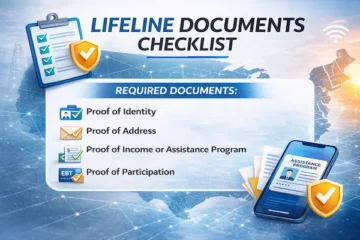
- A photo ID if you have one, plus proof of your current address.
- Proof of income, like pay stubs, benefit letters, or a recent tax return.
- Household details, including names and dates of birth for everyone applying.
- Any relevant disability or medical documentation, if your state requests it for a specific pathway.
If you cannot find something, apply anyway and ask what alternatives are accepted in your state.
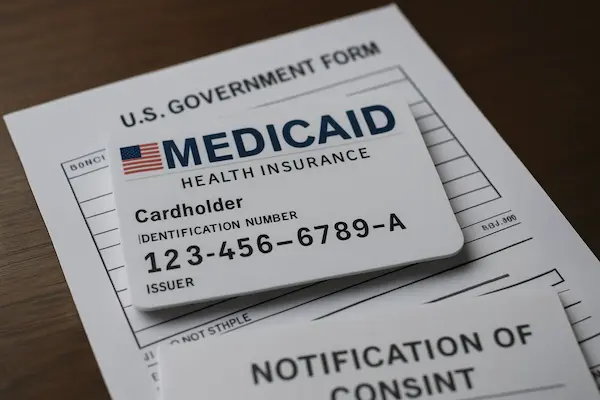
Where to get medical insurance: Medicaid vs the medicaid insurance marketplace
A lot of people mix up Medicaid with the Health Insurance Marketplace, and that confusion is completely normal.
Medicaid is a public program for eligible residents based on rules set by your state within federal guidelines.
The Marketplace is where you can buy private coverage, sometimes with financial help, when you do not qualify for Medicaid.
When someone searches medicaid insurance marketplace, they are often trying to figure out which door to walk through first.
A simple way to choose the right starting point
If your income is low or recently changed, Medicaid is usually the first place to check.
If your income is higher than Medicaid limits in your state, the Marketplace may offer subsidized private plans.
In many states, the online application screens you for both pathways using one set of questions.
That means you can start once and let the system guide you to the right program.
When a medical insurance broker can help, and when you do not need one
A medical insurance broker may help you compare and enroll in private plans, especially through the Marketplace.
For Medicaid, you typically do not need a paid service, because enrollment help is often available through state agencies and community assisters.
If anyone asks for money to “unlock Medicaid,” pause and verify through official channels first.
Choosing medicaid health insurance plans and managed care options
In many states, Medicaid coverage is delivered through private companies that run managed care plans.
That is why you may see the term medicaid health insurance plans during enrollment or after approval.
These plans follow Medicaid rules, but they may have their own provider networks, member portals, and customer service numbers.
The plan choices you see depend on your county, your eligibility group, and what your state contracts offer.
Understanding UHC-related plan searches without getting overwhelmed
It is common to see searches like uhc medicaid when someone is trying to confirm if UnitedHealthcare runs a Medicaid plan in their state.
You may also see uhc community plan medicaid or unitedhealthcare community plan medicaid, which often refers to UnitedHealthcare’s Medicaid managed care brand in participating states.
People sometimes type united healthcare medicaid, united health care medicaid, or unitedhealthcare medicaid when looking for member services, plan documents, or network details.
You might even see united healthcare medical insurance or uhc medical used broadly, even though the exact product name depends on the state and program.
Searches like united medicaid usually mean “UnitedHealthcare’s Medicaid plan,” not a separate government program.
How to check extras like united healthcare medicaid otc benefits
Some Medicaid managed care plans may offer optional extras that can include over-the-counter allowances or wellness perks, depending on state approvals and plan rules.
That is why people search united healthcare medicaid otc benefits when they want to know what is included beyond standard coverage.
The safest way to confirm is to review your plan’s official member handbook, benefit summary, or member portal.
If your plan offers a member portal with a name you recognize, like my sonicare benefits, use it only if it is clearly an official login page provided by your plan.
If you are unsure, call the number on your insurance card or the official contact listed on your state’s Medicaid site.
How to find a medicaid assistance program near me and get real help
If you are stuck, you are not the first person to need a human being, not another dropdown menu.
Searching medicaid assistance program near me can lead you to local offices, community partners, and enrollment assisters.
Many communities offer free help through health clinics, nonprofits, legal aid, or certified navigators.
These helpers can explain what the application is asking, without taking control of your identity or accounts.
Places to look when you need in-person support
- Your county or state benefits office, which can explain documents and deadlines.
- Community health centers, which often support enrollment and follow-up questions.
- Hospitals that provide financial counseling, which may also help with Medicaid screening.
- Local nonprofit organizations that support families, seniors, or people with disabilities.
If you prefer to compare private plans too, you can still speak to a medical insurance broker, but confirm they are licensed and transparent about costs.
For Medicaid questions, start with official resources first, then use local help if you need coaching through the steps.
Special eligibility situations, including medicare medicaid dual eligible
Some people qualify for both Medicare and Medicaid at the same time.
This situation is commonly described as medicare medicaid dual eligible.
In many cases, Medicare is the primary coverage, and Medicaid may help with premiums, copays, or services Medicare does not fully cover, depending on your state rules.
If you think you may be dual eligible, apply and ask specifically what assistance level you qualify for, because the details matter.
When your plan choices may look different
Dual-eligible individuals may have access to special plan options in certain areas, but availability varies.
If you are offered plan choices, compare provider networks, prescriptions, and how referrals work, not just the plan name.
Choose the option that protects your real life, like your doctors, your medications, and your routine care.
What Medicaid may cover, including weight loss programs covered by medicaid
Medicaid benefits generally include essential health services, but coverage specifics vary by state.
That includes which doctors are in-network, which medications are covered, and what requires prior authorization.
People often ask about weight loss programs covered by medicaid because they want help that feels practical, not just a lecture.
Some states and plans may cover obesity screening and counseling, nutrition support, or specific treatments when medically necessary.
Bariatric surgery coverage, when available, typically requires strict medical criteria and documented steps, and it varies by state and plan policy.
The most reliable answer is your state Medicaid benefit description and your managed care plan’s member materials.
Smart questions to ask your plan or caseworker
- What services are covered automatically, and what needs prior authorization.
- How to find in-network primary care, specialists, and behavioral health providers.
- What the pharmacy rules are, including preferred drug lists and refill timing.
- What transportation or care coordination services may exist in your area, if applicable.
Asking these questions early can save you hours later when you actually need care.
After you apply: tracking your case and understanding Medicaid systems
Submitting the application is a big step, but follow-up is what keeps it moving.
You may receive requests for verification, notices about interviews, or deadlines to submit missing documents.
Responding quickly is one of the easiest ways to reduce delays.
Save every confirmation page, upload receipt, and letter, because they become your timeline if something gets stuck.
Why you may see terms like gainwell technologies medicaid and wwmmis
Medicaid is supported by large administrative and technology systems that help states process eligibility, claims, and payments.
You might see references like gainwell technologies medicaid because some states use vendors to support Medicaid systems and operations.
You might also run into terms like wwmmis, which can refer to a Medicaid Management Information System name used in certain contexts.
These terms usually describe back-end systems, not a separate program you need to enroll in.
If a portal or letter includes unfamiliar system names, focus on the official agency branding and verified contact information.
How to avoid the most common post-application mistakes
- Do not ignore mail, because deadlines often arrive on paper even if you applied online.
- Update your address quickly if you move, so notices do not go to the wrong place.
- Upload readable documents that show the full page, not cropped corners.
- Check your portal messages regularly, especially during the first few weeks.
If you get a denial, read the reason carefully, because many denials are caused by missing verification rather than true ineligibility.
Get medical insurance and keep it: renewals, updates, and peace of mind
Once you get medical insurance through Medicaid, the next goal is keeping coverage active.
Many states require renewals, periodic reporting, or updates when your household changes.
If your income changes, your household changes, or your address changes, reporting promptly can prevent gaps.
Think of renewals like maintenance, because a small check-in now can prevent a stressful emergency later.
A quick renewal checklist that protects your coverage
- Mark your renewal month on a calendar and set reminders in your phone.
- Keep a simple folder with pay stubs, rent statements, and benefit letters.
- Open every letter from your Medicaid agency and respond before the deadline.
- Confirm your plan and primary care provider details after renewal if your state auto-assigns plans.
- Update your contact details anytime they change, even if it feels minor.
Small habits create stability, and stability makes health decisions feel less scary.
Independent content notice.
This content is independent and informational, and we have no relationship, sponsorship, affiliation, or control over any agencies, institutions, platforms, or third parties mentioned.