Resume and interview tips: make your application stand out
Advertisements
Hiring moves fast, and your application needs to feel clear on the first scan.
With the right resume and interview tips, you can show value quickly and walk into interviews with calm confidence.
Resume and interview tips: how to get started and what you need
Start by choosing one role and pulling three job descriptions for comparison.
Next, highlight repeated skills and responsibilities, because those keywords shape both your resume and your answers.
Then gather your proof, such as metrics, projects, tools used, and results you delivered.
After that, decide what “winning” means, whether it is more interviews or a higher-level role.
Finally, build a simple routine, because consistency beats occasional marathon edits.
A 15-minute quick-start checklist
Begin with a master resume that contains everything you have done, even older achievements.
From there, create a tailored version for one specific role and keep it tight.
Meanwhile, prepare five short stories using the STAR format to cover your strongest examples.
Alongside those stories, write a one-sentence “why this role” statement you can repeat naturally.
Before submitting, proofread slowly and read it out loud to catch awkward phrasing.
Once the resume is ready, schedule interview practice on your calendar like a real appointment.
Better resume basics: clarity, relevance, and proof
A better resume is not longer, and it is more focused on outcomes.
Instead of listing responsibilities, show what changed because you were there.
For each role, add bullets that connect actions to results with measurable impact.
When numbers are unavailable, describe scope, speed, volume, and complexity in concrete terms.
To improve your resume quickly, remove vague filler and replace it with specific evidence.
Because recruiters skim, strong formatting matters more than fancy design.
How to make resume stand out in 30 minutes
Start the top third with a summary that matches the job language and signals fit.
Then place your strongest achievements higher, because attention drops as readers scroll.
For each bullet, lead with an action verb and end with a result or outcome.
When making your resume stand out, prioritize readability over buzzwords.
To make resume stand out further, mirror key skills from the job post in your bullet wording.
That approach helps applicant tracking systems and also helps human readers connect the dots.
Creating a resume that stands out with impact bullets
Use a simple pattern such as “did X using Y to achieve Z” for consistency.
For example, describe the tool, the action, and the measurable improvement in one line.
When creating a resume that stands out, keep each bullet to one clear idea.
As a result, the resume that stands out feels easy to trust at a glance.
If you are thinking “making my resume stand out feels impossible,” start with one project and rewrite it twice.
Confidence builds when your best work is described in clean, simple language.
Help writing a resume without overthinking it
Needing help writing a resume is normal, especially when you have varied experience.
To get unstuck, write messy first, then edit for clarity after the facts are on paper.
When you need help writing a resume, ask someone to check for missing context and confusing acronyms.
For budget-friendly support, free resume advice is often available through libraries, workforce centers, and school career offices.
In addition, free resume tips from reputable university career pages can guide structure and tone.
As long as your voice stays authentic, templates can speed up formatting without making you generic.
Resume vs CV: when help writing a CV makes sense
A resume is typically a targeted summary for a specific job opening.
A CV is often longer and more detailed, especially in academic or research contexts.
When help writing a CV is needed, include publications, presentations, teaching, and research projects clearly.
For most U.S. corporate roles, a concise resume is still the expected format.
If you are unsure, check the job post language and follow the employer’s instructions.
Interview preparation: virtual interview prep and in person interview prep
Interview success usually comes from preparation that feels structured, not memorized.
Strong answers sound natural when your stories are practiced and your examples are specific.
Instead of guessing questions, prepare themes such as teamwork, conflict, leadership, learning, and results.
Then adapt those themes to each role so your answers stay relevant.
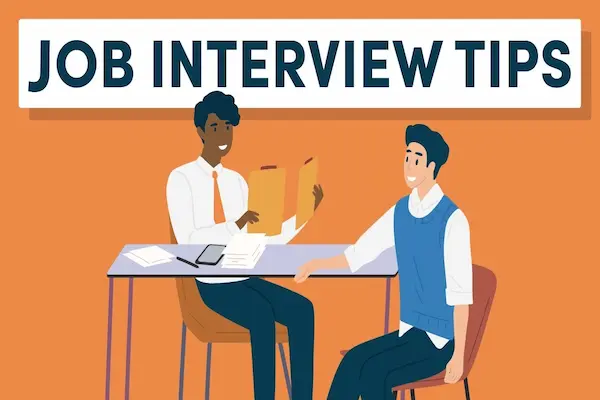
For many candidates, help with interview skills starts with reducing rambling and increasing structure.
Virtual interview prep that improves confidence fast
Virtual interview prep works best when your setup removes distractions and supports eye contact.
Place your camera at eye level, and keep lighting in front of you rather than behind you.
Use headphones if echo or background noise shows up in test recordings.
Keep notes nearby, but limit them to keywords so your delivery stays human.
Because interviews can run long, keep water nearby and silence unnecessary notifications.
Zoom interview practice that feels real
Zoom interview practice is easiest when you record yourself and watch one minute at a time.
Listen for filler words, rushed pacing, and answers that do not address the question directly.
Then repeat the same question again with a shorter, clearer response.
For extra realism, practice with a friend and ask for one specific feedback point.
As comfort improves, add harder questions and practice staying calm under pressure.
In person interview prep for smoother first impressions
In person interview prep starts the day before, because logistics affect confidence.
Plan your route, confirm parking, and arrive early enough to reset mentally.
Bring copies of your resume, a notebook, and a pen, even if the company uses digital systems.
During introductions, use a steady pace, a clear greeting, and eye contact without overdoing it.
Once seated, listen fully, pause briefly, and answer with structure instead of speed.
Presentation interview: how to deliver a talk that lands
A presentation interview often tests how you think, communicate, and handle questions.
Start with a simple structure: context, problem, approach, results, and next steps.
Then keep slides clean, because your voice should carry the meaning.
Use one story or example to make your work memorable, rather than listing everything you know.
When questions come, repeat the question briefly and answer in a calm, organized way.
If you do not know something, say so and explain how you would find the answer.
Preparation for technical interview: a practical plan
Preparation for technical interview works best when you practice exactly what the role requires.
For coding roles, focus on problem-solving patterns, clean communication, and test cases.
For IT support and analyst roles, practice troubleshooting steps and clear documentation.
For system design, learn to explain tradeoffs, constraints, and how you scale reliably.
Behavioral questions still matter in technical rounds, so keep STAR stories ready.
To stay consistent, schedule short daily sessions rather than one long weekend session.
How to practice without burning out
Start each session with one problem, one explanation, and one review of mistakes.
Then capture learnings in a short note so you do not repeat the same errors.
As you improve, increase difficulty gradually so confidence grows steadily.
Because nerves affect performance, practice speaking your reasoning out loud during drills.
Preparing for MBA interview: what committees listen for
Preparing for MBA interview is easier when your story connects past experience to a clear future plan.
Admissions teams often look for leadership potential, self-awareness, and realistic goals.
Instead of sounding perfect, show growth, lessons learned, and how you respond to feedback.
Bring examples that demonstrate initiative, collaboration, and the ability to influence without authority.
For career pivots, explain the logic of your transition and the steps you have already taken.
When asked “why this school,” connect resources to your goals with specific reasons.
Help with interview skills: answers that feel concise and convincing
Strong interview answers usually follow a clear thread from context to impact.
Begin with one sentence that frames the situation, then move into what you did.
Next, explain the result, and close with what you learned or improved afterward.
Keep most answers under two minutes unless the interviewer asks for depth.
For tougher questions, pausing for a second is better than filling space with uncertainty.
Questions you should always prepare
Prepare a crisp “tell me about yourself” that matches the role you want now.
Also craft a strengths answer that proves strength through results, not personality labels.
For weaknesses, choose something real and show the system you built to improve.
Then plan questions for the interviewer, because curiosity signals professionalism and maturity.
Fiverr interview prep and other third-party help
Sometimes extra practice helps, especially when you need fast feedback before a deadline.
Fiverr interview prep is one example people search for mock interviews and coaching support.
Before paying any third party, review credentials, read policies, and avoid sharing sensitive personal data.
When possible, start with free resume advice and career centers, then add paid help if needed.
Notice: this content is independent and has no affiliation, sponsorship, or control by any third-party services mentioned.
Hiring tips for managers: tips for hiring employees with confidence
Hiring tips for managers start with clarity, because vague roles attract mismatched candidates.
Write outcomes first, then build interview questions that test those outcomes.
Use structured interviews to reduce bias and make comparisons fairer across candidates.
For tips for hiring employees, focus on evidence, work samples, and consistent scoring.
Culture fit should be reframed as values alignment and behavior, not personal similarity.
After interviews, close the loop fast, because strong candidates do not wait forever.
How to make your process faster and fairer
Start with a clear rubric that lists required skills and nice-to-have skills separately.
Then ask every candidate the same core questions before adding role-specific follow-ups.
Consider a small paid task or work sample when the role benefits from proof.
Finally, document decisions, because good documentation protects the company and supports better hires.
Final thoughts
The best resume and interview tips create clarity, proof, and calm repetition.
With a better resume and consistent practice, a resume that stands out becomes the new normal.
Notice: this content is independent and has no affiliation, sponsorship, or control by the entities mentioned.