Social benefits eligibility – How to check and apply
Advertisements
Trying to figure out benefits eligibility can feel like decoding a new language while you’re already stressed.
This guide breaks it down into clear steps so you can check, apply, and follow up without second-guessing every click.
Benefits eligibility: how to check and apply the right way
The fastest path is to start with the benefit type you need most, then work outward from there.
Most people are choosing between health coverage help, food support, cash assistance, or disability-related programs.
Benefits eligibility is usually based on household details, income, age, disability status, and where you live.
Even if you are not sure you qualify, it’s often better to check and apply than to wait for “perfect certainty.”
Quick self-check questions before you apply
Write down who lives in your household and who shares money for basic needs.
Estimate your current monthly income, including pay, unemployment, and any regular benefits you already receive.
Note any recent changes, like job loss, reduced hours, pregnancy, disability, or a major medical event.
If you are searching for medically needy options, that usually means you may qualify under specific state Medicaid pathways after medical expenses are considered.
If you are asking “what counts as qualifying health coverage,” focus on coverage that meets official standards, like employer plans, Medicaid, Medicare, or Marketplace plans.
Documents that make benefits eligibility decisions faster
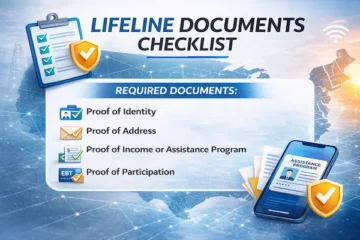
Most applications move quicker when your identity and income are easy to verify.
Bring or upload a photo ID if you have one, plus proof of your current address.
Collect pay stubs, benefit letters, or other income proof for everyone included on the application.
If you are applying based on a health condition or disability, keep any medical documents organized and easy to submit.
If a program requires verification later, submitting clean documents early can reduce back-and-forth.
Step-by-step: a practical application flow
- Choose the program category you need first, like health coverage, food support, or cash assistance.
- Use your state’s official benefits portal or the official federal portal for the program you are seeking.
- Create your account and write down your username, case number, and any confirmation codes.
- Complete the application carefully, and avoid leaving blanks when the form expects “none” or “not applicable.”
- Upload clear, readable documents, and keep screenshots of your submission confirmation.
- Check for follow-up tasks like interviews, verifications, or missing document requests.
- Respond quickly, because many programs pause processing if deadlines are missed.
If you’re stuck, ask the agency what alternatives they accept for any missing document instead of abandoning the application.

Benefits eligibility for health coverage and insurance options
Health-related benefits eligibility can look complicated because different programs serve different groups.
Some programs are income-based, while others depend on age, disability status, or work history.
You may also be comparing private insurance options, which have their own enrollment rules and eligibility checks.
Medicare and Medicaid dual eligible situations
If you are searching medicare medicaid dual eligible, you are usually asking whether you can have both programs at the same time.
Dual medicare and medicaid coverage is real for some people, and it typically means Medicare is primary and Medicaid helps with additional costs depending on your state rules.
The phrase medicare and medicaid dual eligibility is often used to describe the qualification criteria, which can include both Medicare eligibility and Medicaid financial requirements.
If you are thinking “i have medicare and medicaid,” confirm what each program covers for you, because benefits and cost-sharing help can vary.
You may also see references to medicare and medicaid dual plans, which are specific plan types offered in some areas for people who qualify for both programs.
Medicaid pathways, including medically needy
Medicaid is administered by states, so benefits eligibility rules can differ depending on where you live.
Some states have a medically needy pathway that may help people whose income is too high for standard Medicaid but who face significant medical costs.
Because these rules are state-specific, the most reliable answer comes from your official state agency and the application screening results.
FEHBP and other coverage situations people ask about
If you see the phrase fehbp eligible, that usually relates to the Federal Employees Health Benefits Program and eligibility tied to federal employment or retirement status.
Because FEHBP eligibility can depend on employment category and enrollment timing, it’s best confirmed through official federal benefits resources or your HR benefits office.
If you are comparing plans, keep a simple list of premiums, deductibles, networks, and prescription coverage so you can make a calm decision.
Private insurer checks and “real time eligibility” language
People often type cigna eligibility, aetna eligibility, united health care eligibility, or health net eligibility when they want to confirm whether a plan is active, what it covers, or whether a provider is in-network.
Those searches are usually about insurance plan status, not government benefits, even though both use the word “eligibility.”
The term real time eligibility is often used in healthcare billing and provider systems to check coverage status quickly before a visit.
You may also see cigna benefits and eligibility when someone wants to verify covered services, copays, and prior authorization rules.
If you are a patient, you can usually confirm coverage by checking your insurer’s member portal, calling the number on your ID card, or asking your provider’s office to verify.
If you are a provider, you might see references like aarp provider eligibility, which commonly relates to provider-side verification processes tied to specific networks or plans.
Always double-check that you are using an official insurer website or a trusted provider portal before entering personal information.
Benefits eligibility for food support and household essentials
Food assistance is one of the most common reasons people check benefits eligibility.
Programs are often administered by states, but the basic purpose is the same, to help households afford groceries during tight periods.
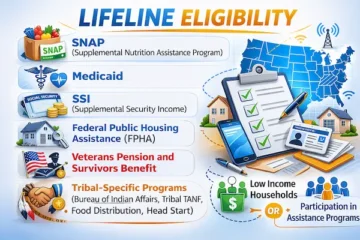
SNAP and household income questions
Many people search snap benefits household income because they want to know if their earnings fall within the program rules.
Income guidelines and deductions can vary, so an official screening tool or application is the most reliable way to confirm.
If you hear people say “food stamps,” they are usually talking about SNAP.
Some people search food stamp limit when they mean either the income cutoff or the benefit amount, and those are different concepts.
Food stamps VA eligibility and state differences
If you see searches like food stamps va eligibility, that typically means someone is applying in Virginia and wants Virginia-specific rules and processes.
Because states manage the intake process, always use the official state portal or local agency for the most accurate result.
If you recently moved, make sure your new address is updated, because your state of residence can affect the application path.
Help with urgent needs beyond groceries
Some households also look for support with basic home stability, like utilities, rent support, or emergency assistance through local programs.
These supports often require quick verification, so keeping documents organized can reduce delays.
If a local organization offers help, confirm whether it is a government partner, a nonprofit program, or a private service, because eligibility rules and privacy protections may differ.
Benefits eligibility for cash assistance and family support
Cash assistance programs are usually more rules-heavy, but they can be lifesavers during transitions.
They often include work participation requirements, reporting rules, and time limits that vary by state.
TANF and Temporary Assistance for Needy Families eligibility
People commonly search tanf eligibility when they are supporting children and facing a loss of income.
The phrase temporary assistance for needy families eligibility is the formal name behind TANF, and it is typically administered through state or local agencies.
Because each state can set certain program details, your state application and interview process matter a lot.
If you are approved, pay close attention to reporting requirements so benefits do not stop unexpectedly.
How to avoid common errors that trigger delays
A small mistake can slow processing even when you qualify.
- Use consistent names, dates of birth, and addresses across all documents.
- Report income honestly and update changes promptly to avoid overpayments later.
- Check your portal messages and physical mail weekly during the decision window.
- Respond to interview requests quickly, even if you need to reschedule.
If you are denied, read the notice carefully, because many denials are caused by missing verification rather than true ineligibility.
Benefits eligibility and “credit eligibility” confusion
Not all “eligibility” searches point to the same type of help.
When people type credit eligibility, they might mean eligibility for a benefit-related tax credit, a premium subsidy, or even a private financial product.
If you are trying to avoid confusion, focus on who is offering the benefit, a government agency, a nonprofit, or a private company.
Government programs typically explain eligibility criteria, appeal rights, and privacy disclosures in official notices.
Private products may use similar language but have different goals, terms, and data practices.
A quick safety filter before you share personal details
If a website promises guaranteed approval, treat that as a warning sign.
If someone asks for payment to “unlock benefits,” pause and verify through official channels.
If you are directed away from official portals, confirm the source before entering your Social Security number or uploading documents.
In health insurance contexts, real time eligibility tools should be accessed through trusted portals, not random links from ads.
After you apply: tracking, renewals, and appeals
Benefits eligibility doesn’t end the day you submit the form.
Many programs require ongoing verification, renewals, or periodic reporting.
Missing a renewal notice is one of the most common reasons benefits stop even when someone still qualifies.
Simple habits that protect your benefits
- Save every confirmation page, case number, and upload receipt.
- Keep a folder with copies of documents you submit, including photos of mailed forms.
- Set reminders for renewal months and check your portal even if you feel “fine.”
- Update your address immediately after a move so notices do not go to the wrong place.
What to do if you’re denied
Start by identifying the exact reason listed on the denial notice.
If the reason is missing documents, submit what they asked for and request reconsideration if the program allows it.
If the reason is an eligibility rule you believe was applied incorrectly, follow the appeal instructions and keep your communication factual and organized.
Appeals have deadlines, so act quickly even if you feel discouraged.
Benefits eligibility checklist you can use today
When your brain is tired, a short checklist can keep you moving.
- Choose the top benefit category you need right now, health, food, or cash support.
- Use an official portal to check benefits eligibility and start your application.
- Gather ID, address proof, and income proof before you upload anything.
- Submit, save confirmations, and watch for verification requests.
- Follow up until you receive a written decision or portal update.
You deserve clarity, and you deserve support that is legitimate, safe, and appropriate for your situation.
Independent content notice.
This content is independent and informational, and we have no relationship, sponsorship, affiliation, or control over any agencies, institutions, platforms, or third parties mentioned.