Workforce development programs: training & enrollment
Advertisements
Finding a better job gets easier when training feels clear, practical, and connected to real openings.
That’s exactly where workforce development programs can help, especially when you need a faster path to skills.
Workforce development programs: how to enroll, who qualifies, and what to bring
Most workforce development programs are coordinated through state and local workforce development services.
Because rules vary by location, the quickest first step is contacting your local workforce office or one-stop career center.
Rather than guessing eligibility, it helps to ask for a screening appointment and bring basic documents.
Common eligibility groups include job seekers, unemployed workers, underemployed workers, and people changing industries.
In many areas, special pathways exist for youth, veterans, people with disabilities, and dislocated workers.
When you see the phrase employment development program, it often refers to a local track that prioritizes job placement outcomes.
Step by step: enroll without getting stuck
- Start with your state workforce site and search for local workforce development and education offices.
- Request an intake appointment and ask what workforce courses are funded in your region.
- Complete the eligibility screening, which may include income, work status, or residency questions.
- Choose a career goal and confirm the training matches current hiring needs.
- Enroll in the approved provider and confirm the schedule fits your real life.
- Meet any participation requirements, such as job search check-ins or attendance standards.
- Track progress weekly and request support early if barriers show up.
To keep the process smooth, save every confirmation email and document you submit.
What to bring to your first appointment
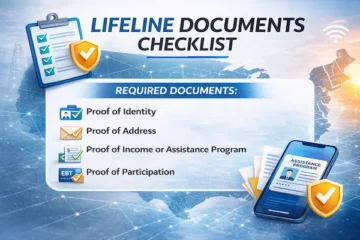
- Bring photo identification and proof of address if the office requests it.
- Prepare a resume or a simple work history summary, even if it is not polished.
- Gather recent pay stubs or unemployment paperwork when income screening applies.
- Include training transcripts or certificates if you already completed prior workforce courses.
- Write down your top three job targets so counseling feels focused and practical.
When a program offers career coaching, taking it seriously can speed up placement just as much as the training itself.
Workforce development programs: what you actually get from them
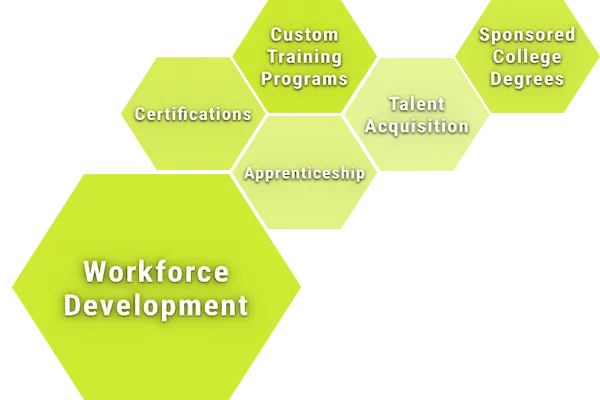
Beyond classes, many workforce development training programs include coaching, job search support, and employer connections.
Often, the goal is workforce readiness training that prepares you for interviews, onboarding, and performance expectations.
Depending on the track, support may include certifications, tools, uniforms, transportation help, or testing fees.
In some regions, workforce training solutions include paid work experience, apprenticeships, or internships.
Because programs are local, the best outcomes usually come from choosing training tied to employers actively hiring nearby.
Typical services included in workforce development services
- Career assessment to match strengths with realistic job paths.
- Skills training through approved providers and structured workforce courses.
- Resume help, interview practice, and job matching support.
- Credential testing guidance and completion coaching.
- Connections to hiring events and employer interviews.
When your support plan includes both training and job search structure, momentum tends to stay stronger.
Workforce readiness training: the skills employers notice first
Technical skills matter, yet hiring decisions often hinge on reliability and communication.
That’s why workforce readiness training usually covers attendance habits, workplace communication, and problem-solving basics.
Alongside that, many programs teach digital basics like email, file management, and calendar discipline.
For customer-facing roles, practice with de-escalation, professionalism, and clear writing can be especially valuable.
Fast habits that improve employability
- Show up consistently and communicate early when conflicts happen.
- Follow instructions accurately, then ask clarifying questions when needed.
- Document work simply so supervisors see progress and accountability.
- Practice calm responses under pressure, especially in service environments.
Once those habits are stable, skills training becomes easier to apply in the real world.
Online workforce training vs in-person options: choosing what fits
Online workforce training can work well when you need flexibility around childcare, transportation, or shift work.
On the other hand, in-person programs often deliver stronger accountability and hands-on practice.
When you see workforce training online in listings, it usually means live remote classes or self-paced modules with check-ins.
For hands-on careers, hybrid training can be a strong middle path because labs still happen in person.
How to decide between online and local training
- Pick the learning format you can sustain for months, not the one that sounds ideal.
- Confirm whether the role requires hands-on hours, lab work, or in-person testing.
- Check tech requirements for online learning, including reliable internet and a quiet space.
- Ask about instructor access, because support quality affects completion rates.
- Choose the option with a clear pathway to interviews and employer connections.
Even with online options, building a weekly routine is what makes completion realistic.
IT workforce training and IT workforce development: modern pathways
IT workforce training is popular because skills can be built in structured steps and validated through projects.
At the same time, IT workforce development works best when training includes hands-on practice, not only videos.
Common entry directions include help desk, IT support, networking fundamentals, and basic cybersecurity awareness.
For career changers, the strongest move is pairing training with a portfolio-style project or lab practice.
Ways to make IT training more job-ready
- Build simple projects you can explain clearly in interviews.
- Practice troubleshooting, because support roles reward calm problem-solving.
- Learn basic ticketing language and documentation habits.
- Focus on one pathway at a time rather than chasing every specialty.
When training aligns to entry-level job postings, your learning feels more focused and less overwhelming.
Healthcare, trades, and other workforce courses: practical career options
Healthcare roles remain a common target because many jobs rely on structured workflows and clear certifications.
Trade pathways can also be strong when you want hands-on work and skill-based wage growth.
In these tracks, workforce courses often include labs, supervised practice, or competency checklists.
To avoid wasted time, confirm that the credential is recognized by employers in your area before enrolling.
Questions to ask before choosing a training track
- Which employers hire for this credential locally.
- What schedule and physical demands the job requires.
- How long training takes, including externships or clinical hours.
- What costs exist beyond tuition, such as testing or equipment.
When those answers feel clear, choosing a path becomes calmer and more confident.
Workforce training companies and providers: how to vet quality
Many programs partner with workforce training companies to deliver instruction and certifications.
Because quality varies, it helps to evaluate outcomes using practical signals rather than marketing language.
In addition, workforce training solutions should include support systems that help you finish, not just start.
Smart ways to evaluate providers
- Ask what credentials you earn and how employers recognize them.
- Request a syllabus outline so you can see what skills are taught week by week.
- Confirm whether instructors have real industry experience, not only teaching backgrounds.
- Ask how completion support works, including tutoring, make-up policies, and coaching.
- Check whether job placement support includes employer introductions or only general advice.
When provider expectations are transparent, your decision becomes less risky and easier to justify.
Workplace development programs and staff development programs for employers
Not every learner is a job seeker, because many companies invest in workplace development programs for internal growth.
In that setting, staff development programs often focus on leadership, communication, and job-specific upskilling.
Some employers describe these efforts as workforce and development initiatives when they connect training to strategic goals.
Meanwhile, a work development program inside a business may include cross-training, mentoring, and structured promotion pathways.
What makes successful workforce development programs inside companies
- Clear skill standards that define what “good performance” looks like.
- Training tied to real work, not generic theory.
- Managers who coach consistently rather than only evaluating.
- Progress tracking that rewards improvement and completion.
When training feels connected to promotions or pay growth, participation typically improves.
Workforce degrees and advanced study: when education becomes the goal
For some careers, short training is enough, yet other paths require workforce degrees through colleges or universities.
In leadership, policy, or education roles, workforce development and education can become a professional specialization.
At advanced levels, an online doctorate in workforce development may fit professionals building long-term careers in training systems.
Likewise, a phd in workforce development and organizational development is often pursued for research, faculty roles, and executive leadership in learning organizations.
How to decide whether advanced study is worth it
- Confirm the roles you want actually require an advanced credential.
- Compare the time commitment to your career timeline and financial reality.
- Evaluate whether your employer supports tuition or offers advancement tied to degrees.
- Consider whether you prefer applied programs or research-heavy academic paths.
- Choose the option that strengthens your goals rather than adding pressure.
When the credential matches the role, the investment can feel purposeful instead of uncertain.
How to choose workforce development programs without wasting time
Decision fatigue is common, so a short selection process can protect your energy.
Instead of searching endlessly, compare options using the same checklist every time.
A practical checklist for choosing the right program
- Choose training linked to real job postings and measurable skills.
- Prefer programs with hands-on practice, projects, or supervised learning.
- Confirm support services, because completion matters more than enrollment.
- Verify schedules, transportation needs, and tech requirements upfront.
- Ask how workforce development services connect you to employers after training.
Once one option clearly fits, committing for a focused period usually beats continuing to compare forever.
Action plan: start workforce development programs in one week
Progress feels real when the first steps are small, clear, and doable.
With that in mind, this simple plan can help you move from research to enrollment fast.
Your 7-day enrollment plan
- Day 1: Choose one target role and save three local job postings for skill clues.
- Day 2: Contact your local workforce office and request intake for workforce development training programs.
- Day 3: Gather documents and complete the initial screening for eligibility.
- Day 4: Compare two training options, including online workforce training if flexibility matters.
- Day 5: Confirm start dates, attendance rules, and support services.
- Day 6: Enroll and schedule study time like a fixed appointment.
- Day 7: Begin the first module and set a weekly review habit.
With consistent follow-through, workforce development and education becomes a path you can actually sustain.
Notice: This content is independent and has no affiliation, sponsorship, or control by the entities mentioned.